



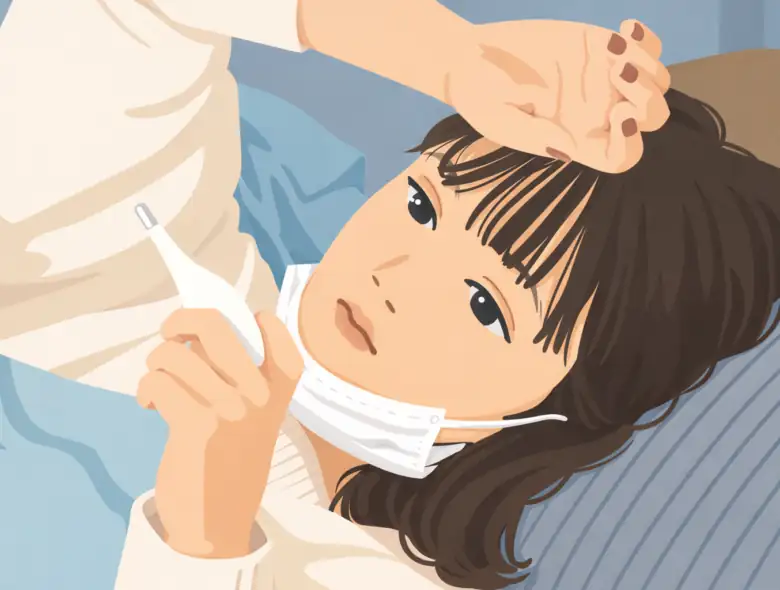
When living on your own, many people feel anxious when they suddenly fall ill since there’s no family member nearby to rely on. It’s also not uncommon for people to prioritize work or studies, thinking, “It’s only a slight fever, so it’s fine,” or “I’ll get better if I just get some sleep,” and end up worsening their symptoms.
In this article, we’ll explain what to do when you get sick while living alone, including how to find a hospital, how to prepare for a medical visit, and which essential items you should keep at home when early symptoms appear. Please use this as a reference to help you stay safe when living on your own.
At Village House, we offer a wide range of rental apartments all across Japan, starting from just ¥20,000! Plus, there are no security deposits*, key money, or handling fees required. If you’re looking to save on rent and initial move-in costs, be sure to check out our website!
*Depending on the contract details and screening results, a security deposit may be required.
Understanding the basics of healthcare in Japan

In Japan, medical institutions are generally classified into “hospitals” and “clinics”. According to the standards set by the Medical Care Act, facilities with 20 or more beds are classified as hospitals, while those with 19 beds or fewer, or facilities with no inpatient beds, are defined as clinics.
Generally, hospitals are used when you need specialized tests, advanced treatment, surgery, or need to be hospitalized. On the other hand, clinics are typically used for outpatient care, minor injuries, mild illnesses, and general checkups.
Furthermore, in Japan, being enrolled in health insurance covers you under the public health insurance system. As a general rule, you will only be responsible for paying 30% of the total medical cost (this can vary from 10% to 30% depending on your age and income).
Sources:
Ministry of Health, Labour and Welfare | Classification of Medical Facilities
Ministry of Health, Labour and Welfare | Self-Payment of Medical Expenses
Medical consultation procedure in Japan
- Check in at the medical facility and present your My Number Card (My Number Health Insurance Card) or other insurance eligibility certificate.
- If visiting for the first time, fill out the patient registration form.
- Wait in the waiting room until your name is called.
- Receive an examination from the doctor, undergo any tests if necessary, and receive a diagnosis and explanation of the treatment options.
- If medication is necessary, the doctor will prescribe you some medicine.
- You will then receive your medication either directly at the clinic or hospital (in-hospital prescription) or by presenting your prescription to an outside pharmacy (out-of-hospital prescription).
Early symptoms to watch out for and when to rest

Early symptoms of illness may be relatively mild, such as fever, fatigue, or a sore throat. If you feel like your body feels a little off, it’s important to take action as soon as possible.
When living alone, it’s easy to push yourself, thinking “I’ll be fine”, even when you’re not feeling well. However, pushing yourself during the early stages of an illness can worsen your condition, prolong your recovery, and in some cases, even increase the risk of your condition becoming more serious, so caution is necessary.
If you start to feel unwell, don’t force yourself. Rest early, keep your body warm, and make sure you get plenty of sleep. Fever can also cause dehydration, so it’s a good idea to keep water or drinks within easy reach to stay hydrated at all times.
If your symptoms persist, your fever remains high, or you experience difficulty breathing, do not hesitate to visit a medical facility immediately.

Essential items to keep at home for sick days
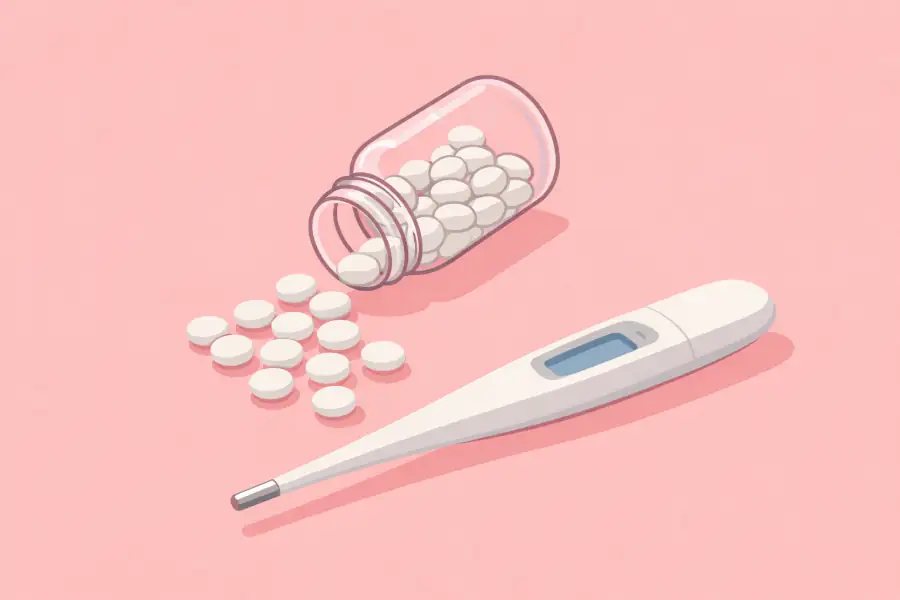
When you’re living by yourself, it’s a good idea to prepare the necessary items in advance so you won’t panic when you suddenly fall ill. The first thing you should prepare is the following over-the-counter medicines.
| Medicine type | Symptoms it helps with |
| Cold medicine | Fever, sore throat, runny nose, and other common cold symptoms |
| Fever and pain relievers | Pain or high fever |
| Stomach medicine | Overeating, indigestion, stomach pain, or bloating |
| Anti-diarrheal medicine | Diarrhea |
Other items that are recommended to keep on hand include oral rehydration solution (ORS), which helps replenish fluids and electrolytes lost through diarrhea, vomiting, fever, and excessive sweating, as well as a thermometer and disposable masks. In addition, stocking up on ready-to-eat foods, such as instant rice porridge, soups, and jelly drinks, can help a lot when you’re feeling unwell.
To make things easier when you’re sick, store all these essential items together in a place where you can quickly reach them without any effort.
How to choose the right medical facility
- Internal medicine
Suitable for common cold symptoms and general health issues such as cold, headache, stomach pain, fever, cough, diarrhea, constipation, dizziness, palpitations, and shortness of breath.
- Otolaryngology (ENT)
This department specializes in treating symptoms related to the ears, nose, and throat, such as severe sore throat, nasal congestion, ear pain, and middle ear infections. Even if your symptoms feel similar to a common cold, you can still visit an ENT clinic for an examination.
- General hospital
If your symptoms are severe or persist for an extended period of time, visit a general hospital to quickly identify the underlying cause. Since general hospitals have multiple medical departments, testing and consultations with specialists can be handled smoothly, giving you greater peace of mind.
- Nighttime emergency care
If your symptoms worsen during the night or on holidays, such as having difficulty breathing, a persistent high fever, or feeling faint or confused, visit a nighttime emergency clinic or the emergency room (ER) immediately.
- If you’re unsure where to go
If you’re not sure which hospital or clinic to visit, consult your regular internal medicine doctor or call the #7119 Emergency Medical Consultation Center.
At the consultation center, specialized counselors will ask about your condition and guide you to an appropriate medical facility. You can also ask whether you should call an ambulance or just go directly to a hospital.
How to find a medical facility near you
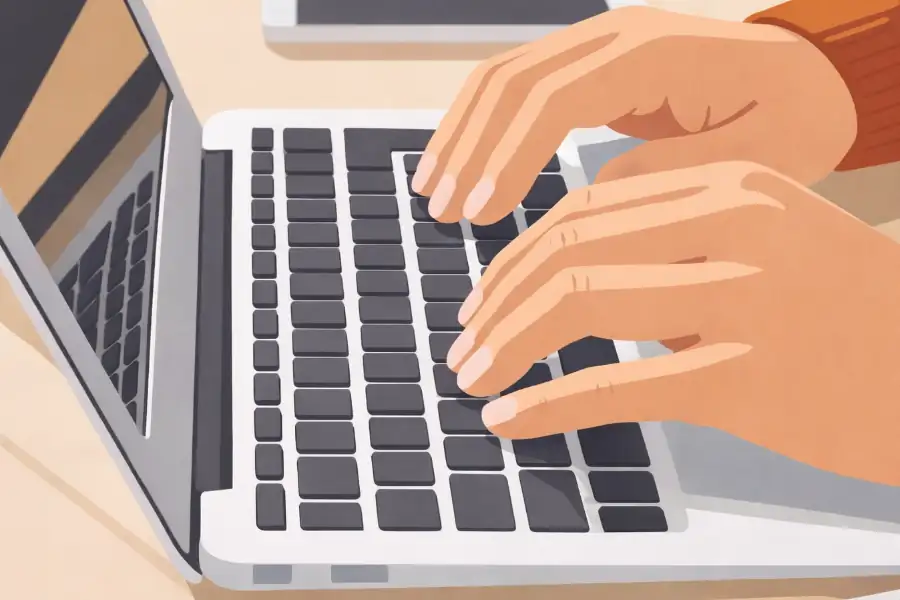
Here are several ways to search for a medical facility near you.
Search for nearby medical facilities on Google Maps
- Open Google Maps
- Enter the location + medical specialty (e.g., “Tokyo Ueno Station ENT”).
- Click the search button to display medical facilities in the specified area.
Search on the Ministry of Health, Labor and Welfare’s medical institution search page.
- Open the Medical Information Network (Navi) website.
- Enter the location + medical specialty (e.g., “Tokyo Ueno Station ENT”).
- Search by consultation hours, medical specialty, and whether foreign language services are available to display the appropriate medical facilities.
In areas with many foreign residents, it’s especially important to check whether foreign language support is available. It’s a good idea to check the reviews, the clinic’s official website, and the medical information network (Navi) to see if foreign language support is available.
Keep in mind that internal medicine clinics, ENT clinics, and other medical facilities may be closed in the afternoon on some days of the week, or operate by appointment only. For this reason, be sure to check the consultation hours, closed days, and appointment procedures in advance.
What to bring when visiting a doctor in Japan

To ensure a smooth medical examination, make sure to prepare the following items before going to a medical facility:
- My Number Card (My Number Health Insurance Card) or Insurance Eligibility Certificate
Starting in December 2024, you will need to present your My Number Card instead of the traditional health insurance card when visiting a doctor. If you have not registered your My Number Card, you will need to bring an insurance eligibility certificate instead.
- Identification card
For first-time visitors and foreign residents, please bring your driver’s license, passport, or residence card.
- Cash
Some medical facilities may not accept credit cards, so it’s safer to bring cash to avoid any issues when paying for consultation fees and medications.
- Memo on your symptoms and condition
Writing down your symptoms and how they have changed over time can be very helpful during your consultation. Organizing information such as when the symptoms started, how they progressed, and whether you took any medication will help you explain your symptoms calmly during your consultation.
What to do when you can’t go outside
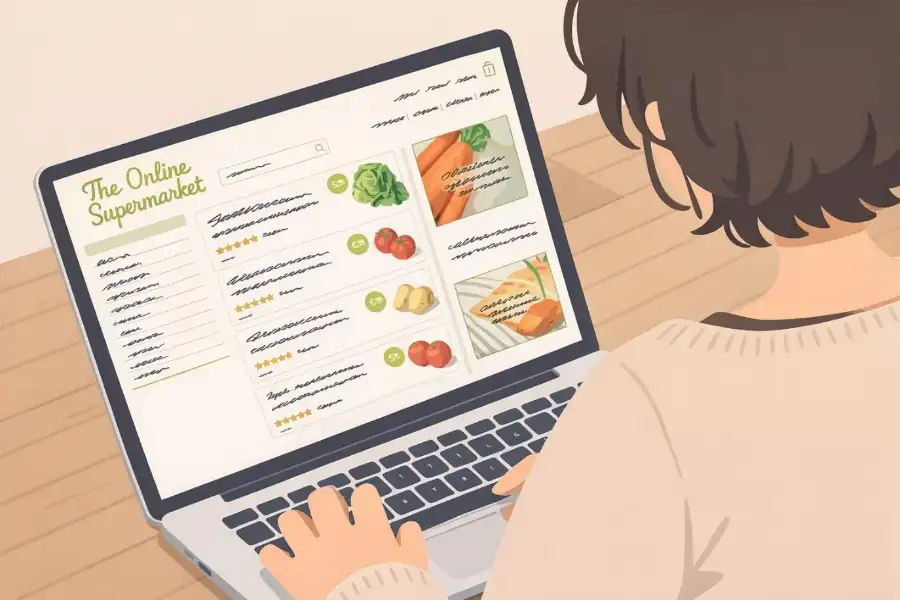
In recent years, delivery services such as online supermarkets and drugstores have been expanding. These delivery services allow you to order food, fresh produce, and daily necessities from your smartphone or computer, and have them delivered to your home. Food delivery services also offer warm bento boxes and ready-to-eat meals delivered right to your doorstep, making them ideal for times when you are unable to prepare meals yourself.
AEON Net Super is the online shopping service offered by the major supermarket chain AEON. You can order groceries, daily necessities, and more, with same-day delivery available in many areas. Moreover, you can earn WAON POINTs* when shopping through AEON Net Super.
*Service details may vary depending on the store and delivery area.
This online supermarket is part of the SEIYU group. It offers a wide range of products, including fresh produce and daily necessities. As of December 2025, the delivery service is available in Tokyo, Chiba, Kanagawa, Saitama, Aichi, Nagano, Fukushima, Miyagi, Osaka, Hyogo, Kyoto, Nara, and Shiga.
Matsumoto Kiyoshi (Matsukiyo Cocokara)
This service applies to products that can be delivered at room temperature, such as daily necessities, medicines, and cosmetics. Orders are shipped from a nearby physical store (or distribution center). Free shipping for orders of ¥1,980 or more (tax included). Same-day delivery is also available for the fastest option.
Uber Eats is a food delivery service that allows you to order meals from nearby restaurants and have them delivered to your home or workplace using a smartphone app. You can search for restaurants, place orders, make payments, and even track the delivery status in real time, all within the app. The meals you order are delivered by delivery partners affiliated with Uber Eats.
Demae-can is one of Japan’s largest delivery services, operating across all 47 prefectures. It offers delivery of meals from restaurants, bento boxes, ready-to-eat meals, and more. In addition to food, the service can also deliver daily necessities and household goods.
This service allows you to order daily lunch boxes, ready-to-eat meals, as well as regular in-store items, supervised by licensed nutritionists, directly from your smartphone. You can pick up your order at the nearest 7-Eleven store, or have it delivered to your home or workplace. The service is available for orders of ¥1,000 (tax included) or more. A delivery fee of ¥220 (tax included) applies per order, but delivery is free for orders of ¥3,000 or more (tax included).
Why it helps to let someone know you’re unwell
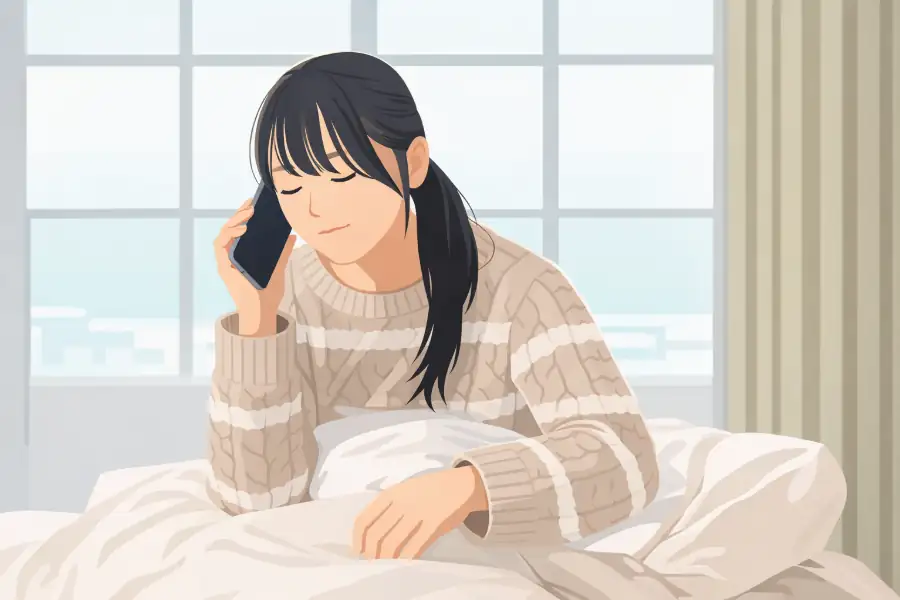
When you’re feeling unwell, make sure to let someone close to you know, such as family or friends. Sharing your condition can help reduce feelings of anxiety and isolation.
Additionally, saving the contact information of trusted people and emergency contacts on your smartphone will allow you to reach them quickly if your condition gets worse, giving you peace of mind. To avoid dealing with everything alone, develop the simple habit of letting someone know when you’re sick, as it can help you stay safe both physically and mentally.
Summary
To help you stay calm and handle the situation properly when you fall ill while living alone, here is a summary of useful information on how to find a hospital, how to receive medical care, and which essential items you should keep on hand in order to be ready when early symptoms appear.
- Hospitals can provide specialized treatments, testing, and hospitalization
- Clinics are a good option for minor health issues
- With health insurance, you generally only pay 10–30% of the total medical cost (depending on age and income)
- Items you need to bring for a medical consultation: My Number Card (My Number Health Insurance Card) or insurance eligibility certificate, ID card, cash, and a memo describing your symptoms and how they developed
- If early symptoms appear, rest as soon as possible and stay hydrated
- If symptoms worsen or persist, make sure to see a doctor
- Keep essential items on hand, such as over-the-counter medicines, oral rehydration solutions (ORS), and easy-to-eat foods like rice porridge or soup
- If you’re unsure which medical facility to visit, call the Emergency Medical Consultation Service #7119 for guidance
- To find a hospital or clinic, use Google Maps or the Medical Information Network (Navi)
- Use online supermarkets or food delivery services when you’re unable to go out
- Don’t try to handle everything alone, and inform family and friends about your condition
- Save emergency contacts on your smartphone
In the rental properties offered by Village House, one out of every five tenants is a foreign resident. Additionally, the call center has foreign staff on-site, so even those who are not confident in their Japanese can feel free to contact us!
Related articles:

Hello, I’m Machiko Doi, a freelance writer who writes about housing and living in Japan.
I live in an 80-year-old house that I inherited from my grandparents along with my two shelter cats and daughter.
We live a relaxed life while repairing the house.
I like to cook vegetables from the garden and fresh fish caught by my father, and enjoy them with cold beer on a hot day or hot sake on a cold day.