




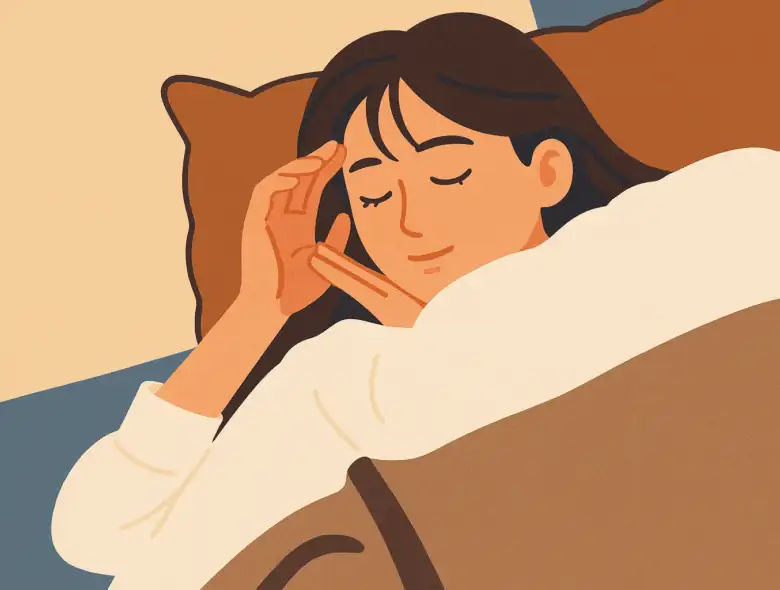
Fall’s here, and those morning and evening temperatures are starting to drop. You know that feeling when you wake up way colder than you expected and end up with a cold? That may happen to a lot of us. But with temperatures bouncing around from day to day, figuring out the right bedding feels like guesswork.
We’ve put together this guide to help you pick the perfect fall bedding, set up your bedroom, and nail down the essentials for getting great sleep.
Village House offers many rental properties starting from ¥ 20,000 across Japan. If you’re looking for a new place to call home, please visit our website.
The best bedding for fall weather
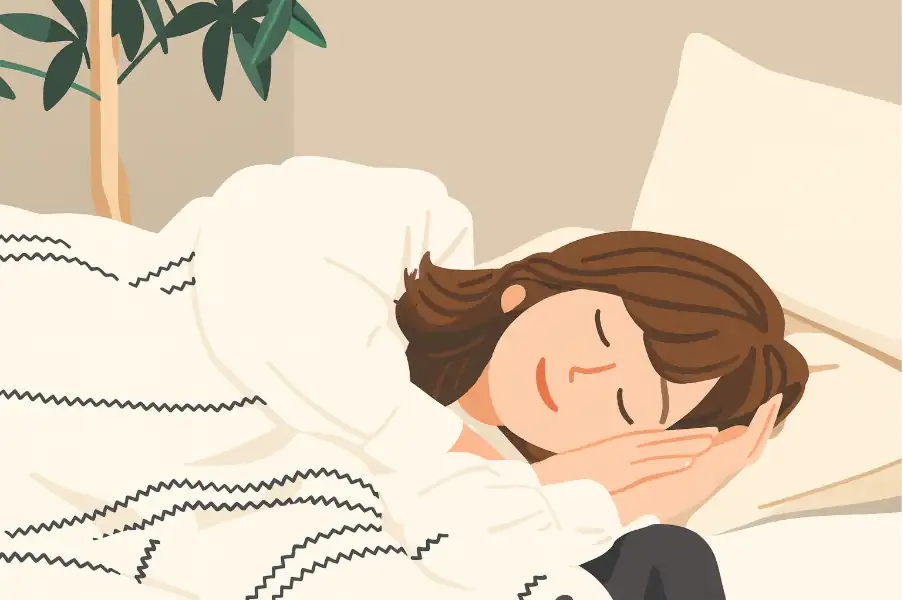
Fall can be absolutely beautiful. But you may also experience discomfort unique to the change of seasons. Sleep time temperature changes can be particularly stressful when sleeping. Here’s what we recommend for autumn bedding.
- Down comforters
They are not heavy like winter comforters, not too light like summer covers. Just right.
It’s not uncommon for a winter duvet to be too hot in the fall, causing you to sweat. Medium-weight down comforters nail that sweet spot perfectly.
- Light duvet + towel blankets
During those early fall nights, a lightweight duvet usually does the trick, but sometimes you need just a bit more warmth without switching to heavy bedding yet. That’s where a towel blanket comes in handy. By layering it right on top of your duvet, it traps air between the layers and gives you that extra coziness you’re looking for.
They’re so practical, super thin and light, so they won’t weigh you down, and they soak up moisture well. The best part is that you can just toss them in your regular wash cycle at home. This makes them perfect for those in-between seasons like fall and spring, when the weather keeps changing and you’re not sure what you’ll need from night to night. They’re not just for summer use, as many people think.

Throws and blankets: your secret weapons
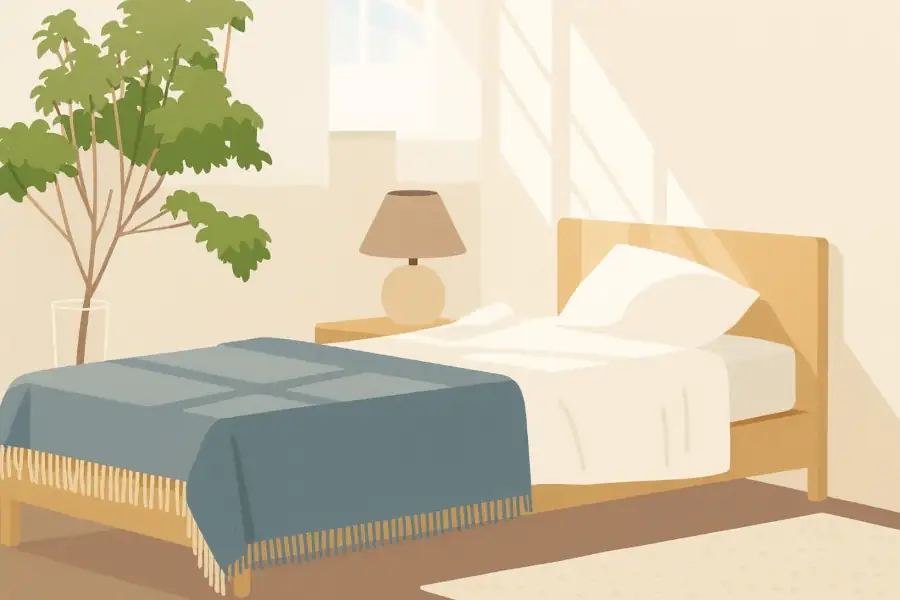
When it’s not quite cold enough for your heavy winter bedding but your regular comforter leaves you a bit chilly, adding an extra layer can make all the difference. Try tucking a throw or small blanket around your feet or draping it over your shoulders – those spots always seem to get cold first.
Throws are those bigger, cozy blankets you see draped over couches and beds. They’re roomy enough to wrap yourself up in completely, which makes them perfect for snuggling. Beyond just keeping you warm, they add a nice touch to your room’s decor too.
Smaller lap blankets work great when you just need a little extra warmth in one spot. You’ll often find them made from wool, fleece, or cotton – materials that do a good job holding onto your body heat. They’re perfect for curling up on the couch or keeping your legs warm while you’re reading.
Smart bedroom layouts that work
Even tiny studio apartments can feel way more comfortable with the right bed placement. For example, placing your bed near a window can make it more susceptible to outside air, especially in autumn and winter, when cold air can easily penetrate.
Your body getting cold while you sleep can mess with everything, such as lighter sleep and waking up constantly. It’s best to place your bed a little away from a window.
Noise is another sleep killer. Stay away from walls that face busy streets and keep some distance from kitchens and front doors. If you can put your headboard against a wall, you will feel more secure and help you relax.
Ventilation and humidity control for sleep
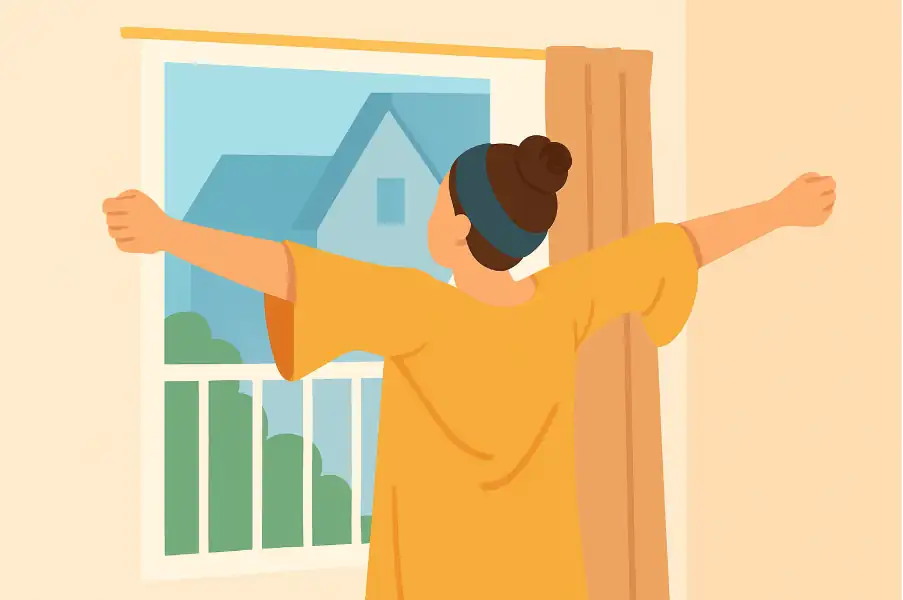
Good airflow and keeping humidity in check are huge factors for getting quality sleep. You might not realize it, but your bedroom gets pretty humid overnight just from your breathing and sweating.
When there’s no air circulation, things get stuffy fast, and all that moisture starts building up in your sheets and mattress – which can lead to mold problems down the road. That’s why it’s good to open the windows first thing in the morning to get some fresh air moving and let the bedding dry out.
The sweet spot for bedroom humidity is somewhere between 40 and 60 percent. Stay in that range and you’ll sleep better, plus it keeps both viruses and mold from thriving. If your room feels too muggy, a dehumidifier works wonders. Too dry? A humidifier will help.
For more info, check out our blog: 6 Ways to Avoid Mold Growth in Your Apartment
Going below 40 percent humidity isn’t great either. It can dry out your throat and nose, making it harder to breathe comfortably. But anything over 60 percent is asking for trouble with mold and dust mites, which can trigger allergies or make breathing issues worse. It’s all about finding that middle ground.
Night routines that help you unwind

Night routines are basically gentle ways to tell your mind and body that it is time to relax. Spend a little time on a routine before bed and you’ll notice the difference in how well you sleep.
Get your lighting right
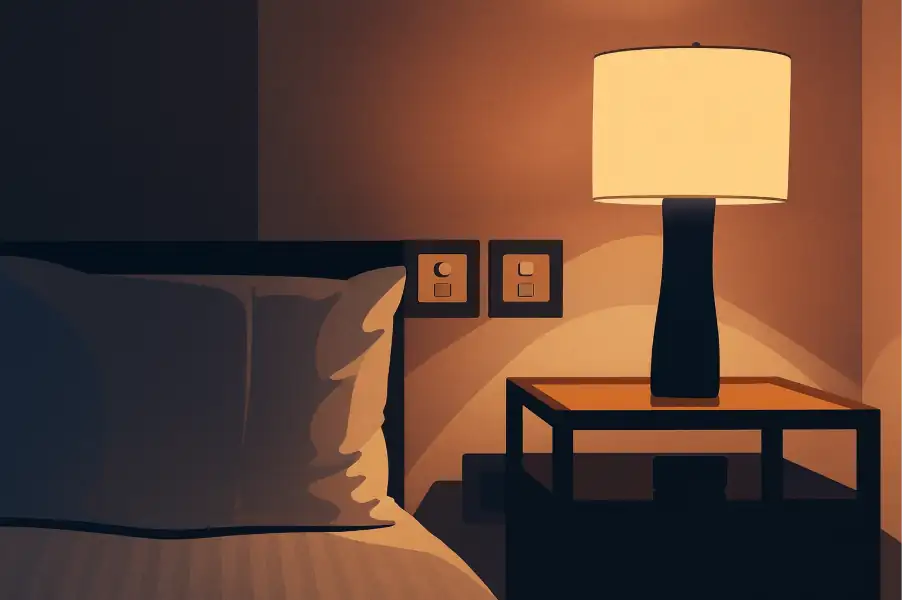
Bright lights before bedtime can mess with how well you sleep. It helps to start dimming things down or switch to some softer, indirect lighting when you’re getting ready for bed. It makes a noticeable difference in how quickly you can fall asleep.
Scents that work
Aromatherapy does help you unwind and sleep better. You don’t need fancy equipment either – just put a few drops of essential oil on your pillowcase or a handkerchief and keep it near your pillow.
Lavender is probably the most popular choice, but chamomile and bergamot work great too. These scents trigger your parasympathetic nervous system, which is basically your body’s way of shifting into rest mode. It helps balance out your nervous system so you can relax instead of lying there with your mind racing.
Practise yoga and stretching
Yoga is an excellent way to unwind, both mentally and physically. Doing some gentle movements before bed really helps quiet your mind and makes falling asleep feel more natural. Plus, it gets your blood flowing better, which is a lifesaver if you’re always dealing with cold hands and feet, or if you’re trying to lose weight.
Even just basic stretching can become part of your nightly routine. When you gently work out those tight spots, it kicks your parasympathetic nervous system into gear, telling your body it’s time to chill out. Focus on the neck, shoulders, and lower back since those areas get so tense during the day. Once you release that tension, sleep comes so much more easily.
At Village House, deposits, key money, processing fees, and renewal fees are not required (※). If you’re looking to save on initial costs, don’t hesitate to contact us for more information.
※Please note that a deposit may be required depending on the specific terms of the contract and the results of the screening process.
Related articles:

Hello, I’m Machiko Doi, a freelance writer who writes about housing and living in Japan.
I live in an 80-year-old house that I inherited from my grandparents along with my two shelter cats and daughter.
We live a relaxed life while repairing the house.
I like to cook vegetables from the garden and fresh fish caught by my father, and enjoy them with cold beer on a hot day or hot sake on a cold day.